For decades, movement has been treated as a transaction.
We move to lose weight. We run to burn calories. We lift heavier to become stronger. Somewhere along the way, movement became another box to tick in an already overwhelming day.
Yet, despite busier gyms, smarter wearables and countless fitness trends, stress continues to rise. Attention spans continue to shrink. Burnout has become a badge of honour. We are moving more than ever before, but feeling increasingly disconnected from ourselves.
Perhaps the problem isn’t that we aren’t moving enough, but we have forgotten how to move.
That question is quietly reshaping the future of wellness. Across boardrooms, classrooms and homes, people are no longer looking for another workout. They are searching for something far more meaningful, a practice that helps them think more clearly, feel more balanced and remain resilient in a world that rarely slows down. This shift has brought movement practices like Pilates into an entirely new conversation. No longer confined to studios or celebrity routines, Pilates is increasingly being recognised as a discipline that strengthens not just the body, but the quality of our everyday lives.
Its origins explain why.
Joseph Pilates did not create his method to sculpt physiques. He created it to restore people. Developed during the early twentieth century as a rehabilitation practice, Classical Pilates was designed to help injured bodies rediscover strength through precision, breath and alignment. The goal was never perfection. The body was taught to move the way it was always meant to. That philosophy feels remarkably relevant today.
Modern life has quietly changed the way we exist in our own bodies. We spend hours folded over laptops, scrolling through phones and carrying invisible tension in our necks, shoulders and backs. Gradually, poor posture begins to feel normal. Shallow breathing becomes habitual. Fatigue becomes routine. We adapt to discomfort slowly so that we stop recognising it. Pilates begins by asking us to notice.
It asks us to pay attention to the way we stand, the way we breathe and the way we occupy space. Before it builds strength, it builds awareness. And awareness, perhaps, is the most overlooked form of wellness.
He has also said, “Physical fitness is the first requisite of happiness.” More than a century later, those words carry a deeper meaning. Physical fitness is not simply about endurance or flexibility. It is about creating a body that supports a calmer mind, a clearer perspective and a more resilient way of living.
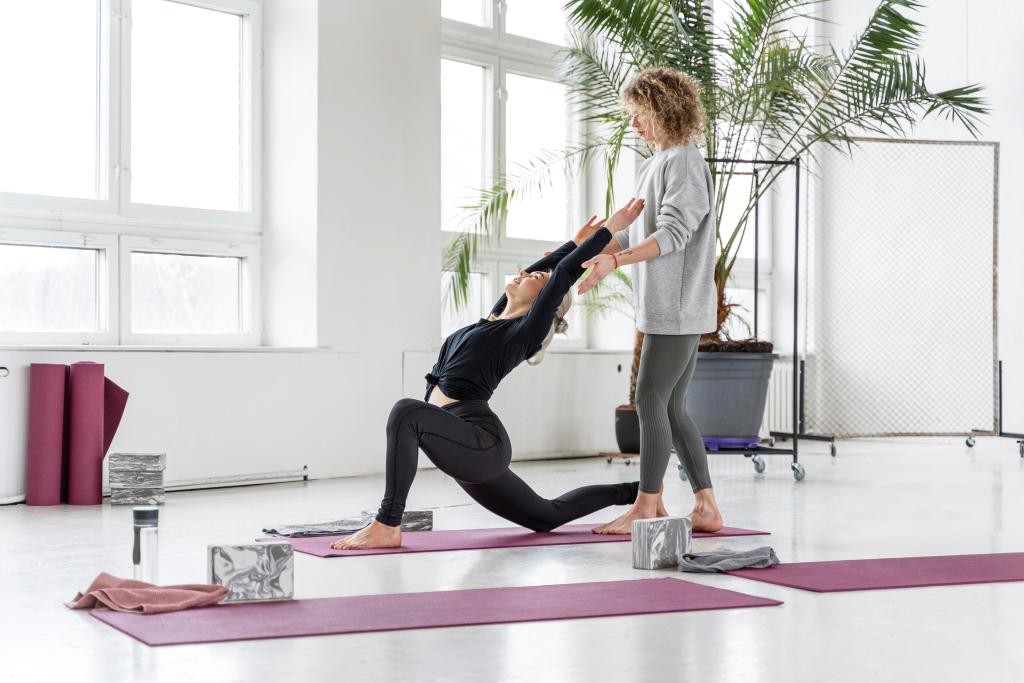
Unlike many forms of exercise where momentum can replace mindfulness, Pilates demands presence. Every movement has intention. Every breath has rhythm. Every transition requires concentration. For sixty minutes, the constant noise of emails, deadlines and notifications begins to fade because the body demands complete attention from the mind.
In many ways, Pilates has become one of the few places where people are fully present.
That presence carries far beyond the studio.The confidence that comes from better posture is different from the confidence that comes from appearance. It is quieter. It changes the way we walk into meetings, engage in conversations and respond to pressure. A well-aligned body naturally encourages deeper breathing, steadier movement and a greater sense of composure. Sometimes, transformation is not about changing who we are. It is about returning to the version of ourselves that stress gradually pulled us away from.
This is perhaps why Pilates has found such diverse audiences. Entrepreneurs use it to reset after high-pressure workdays. Professionals turn to it to counter the effects of sedentary lifestyles. Athletes rely on it to improve control and prevent injury. Older adults embrace it to preserve mobility and independence. It adapts because it was never created for a single demographic. It was created for the human body.
The growing popularity of Pilates also reflects a much larger cultural shift. Wellness is no longer defined by six-pack abs or dramatic transformations. People today are investing in habits that help them sustain energy, think with greater clarity, sleep better and manage stress more effectively. They are choosing longevity over intensity, consistency over extremes and balance over burnout.
Pilates sits naturally within this new definition of success because it recognises something many fitness trends overlook: the body and mind are never working separately. Every breath influences the nervous system. Every posture affects confidence. Every movement shapes the way we experience the world around us.
In a culture that constantly celebrates doing more, Pilates offers a quieter lesson, that progress isn’t always found in intensity. Sometimes it begins with slowing down enough to listen to your body, correcting a single movement and discovering that strength grows most powerfully from awareness rather than force.
Ultimately, Pilates is not transforming people because it promises a better body.
It is transforming them because it offers something far more valuable: a clearer mind, a steadier presence and the resilience to move through life with intention. And perhaps that is what the future of fitness was always meant to be: not a pursuit of perfection, but a practice of coming back to ourselves.