Every time I wake up to news of another tragedy, one question keeps coming back to me—could this have been prevented?
Whether it is a fire in a building, a bridge collapsing, or an institution being sealed after a devastating incident, the story almost always follows the same pattern. There is shock, grief, media coverage, political statements, inquiries, and eventually a few suspensions or transfers.
And then, slowly, life moves on.
But does it really move on for everyone?
For the families who have lost a loved one, there is no moving on. Their lives change forever. No announcement, compensation or administrative action can fill the empty chair at the dining table or erase the memories of that heartbreaking phone call.
Yet there is another group of people whose pain often remains invisible.
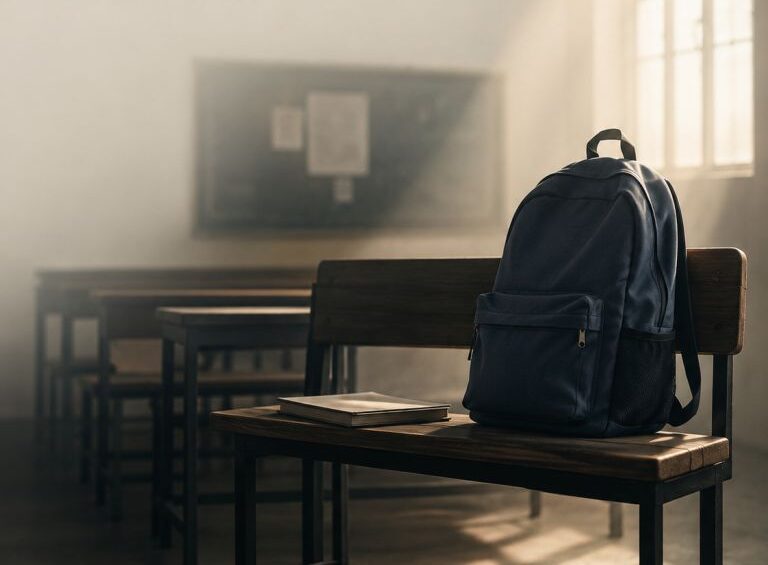
Think about the students whose coaching institutes are suddenly sealed. Thousands of young people who were preparing for competitive examinations now find themselves uncertain about where they will study tomorrow. Their routines are disrupted, their confidence is shaken and, for many, precious months of preparation are lost.
Behind every one of those students is a family.
As a parent myself, I can only imagine what they must be going through. We know how much parents sacrifice for their children’s education. Some save for years. Some borrow money. Some postpone their own dreams so that their children can pursue theirs. Education is not just another expense in an Indian household—it is hope.
When an institution is shut down overnight, the question is not only about legality. It is also about responsibility. Who ensures that students do not lose an academic year? What happens to the fees that families have already paid? Who helps them rebuild their confidence?
These questions deserve answers too.
The unfortunate reality is that we often become serious only after something goes terribly wrong. Safety norms, inspections and regulations exist for a reason. They are not formalities. They are safeguards meant to protect lives. If they are followed honestly and consistently, many tragedies can be avoided before they ever happen.
It is easy to point fingers after an incident. It is much harder to build a system where such incidents become rare.
Perhaps this is where we need a change in mindset.
Accountability should not begin after a disaster. It should begin with every approval granted, every inspection conducted and every rule enforced. A signature on an official file is never just a signature. It carries the responsibility of protecting countless lives.
As citizens, we also have a role to play. We should not ignore unsafe conditions simply because they have existed for years. We must ask questions, demand transparency and value safety as much as convenience.
At WomenShine, we often celebrate stories of courage, resilience and leadership. But true leadership is not only about rising after a crisis. It is also about preventing the crisis in the first place. It is about creating systems that value human life over shortcuts and responsibility over routine.
Every tragedy teaches us something, but only if we are willing to learn.
My heart goes out to every family grieving an irreplaceable loss and to every student whose future has suddenly become uncertain. They deserve more than our sympathy. They deserve a society that learns from its mistakes instead of repeating them.
The real measure of a responsible nation is not how loudly it reacts after a tragedy, but how sincerely it works to ensure that the next one never happens.
Written by: Aparna Mishra
Editor, Womenshine