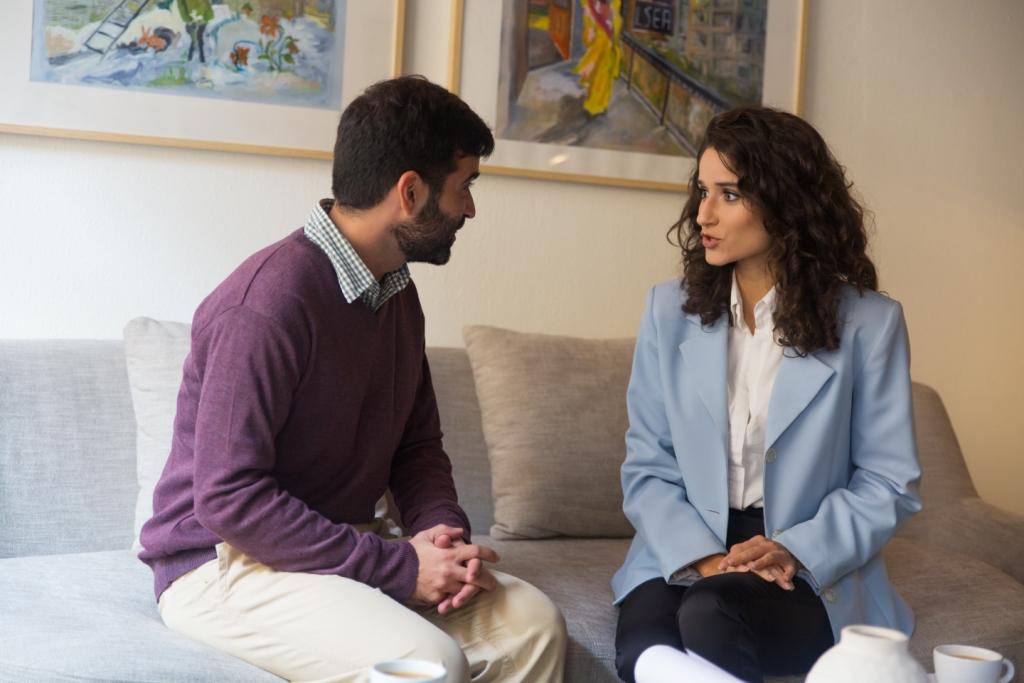

One of the biggest misconceptions about marriage is that love automatically guarantees understanding. In reality, two people can deeply care for each other and still struggle with communication, emotional regulation, unmet expectations, personal space, and feeling unseen within the relationship.
A healthy marriage is not built on becoming “one person.” It is built on learning how two individuals can coexist, communicate, and grow together without losing their sense of self in the process. One important thing people often overlook is this: close relationships are where human beings are emotionally the most vulnerable.
With the outside world, people are often filtered, guarded, and socially regulated. But with a partner, they tend to reveal softer, more dependent, fearful, emotionally reactive, or deeply sensitive parts of themselves. This emotional openness is what creates intimacy, but it is also what makes conflicts in close relationships feel far more intense.
During disagreements, people do not always communicate from a calm and rational state. Concepts explored in Transactional Analysis suggest that individuals may unconsciously shift between different ego states: Parent, Adult, and Child. For example, when emotionally hurt or overwhelmed, a person may react from a more vulnerable “Child” state. This can look like emotional withdrawal, defensiveness, fear of rejection, reassurance-seeking, crying, or emotional impulsivity. On the other hand, when someone feels emotionally unsafe, unheard, or out of control, they may unconsciously shift into a more critical “Parent” state; correcting, controlling, lecturing, dismissing, or emotionally dominating the interaction. This is why many relationship conflicts are not only about the issue being discussed. They are often emotional reactions layered over older fears, insecurities, attachment patterns, and unmet emotional needs.
Sometimes the most important question during an argument is not: “Who is right?” But: “What emotional state am I communicating from right now?” And: “What emotional state is my partner reacting from?” This kind of self-awareness can completely change communication within a marriage. One of the healthiest things couples can practice is slowing conversations down instead of trying to “win” them. Pausing before reacting, asking clarifying questions, validating emotions instead of dismissing them, and learning to express needs directly can prevent many conflicts from escalating emotionally.
Simple shifts in communication often create the biggest emotional safety. Saying: “I felt hurt when this happened”, instead of “You never care about me” can completely change the direction of a conversation. Similarly, learning to take accountability without immediately becoming defensive is equally important. Emotional safety grows when both partners feel heard instead of judged. However, healthy communication is not only built through what couples consciously do right, but also through recognising the unhealthy patterns they may slowly slip into over time without realising it. Many couples gradually stop communicating the emotion underneath the reaction. Hurt begins appearing as anger, disappointment turns into silence, fear gets expressed through control, and emotional needs become hidden beneath defensiveness or criticism. Slowly, unresolved emotions begin accumulating in the relationship, creating distance even when two people still care deeply for each other.
At the same time, many individuals unintentionally lose parts of themselves within relationships. Personal interests, friendships, emotional boundaries, hobbies, ambitions, and individuality slowly begin disappearing in the name of adjustment and sacrifice. But healthy relationships require emotional interdependence, not emotional disappearance. Strong marriages are not built when one person shrinks themselves to maintain peace. They are built when both individuals feel emotionally safe enough to express themselves honestly while still respecting each other’s individuality. This means creating space for separate identities, emotional boundaries, independent growth, personal aspirations, friendships, and alone time without guilt. Because communication is not only about speaking.
It is also about how safely someone is allowed to speak. At its core, marriage is not about finding someone who completes you. It is about finding someone who can witness your evolving self without asking you to abandon it. Two lives. One home. But still, two whole human beings deserving of voice, individuality, emotional safety, and understanding.

Shared by :
Ms. Tanvi Singh,
Mental Health Activist, Founder of Leap of Foundation