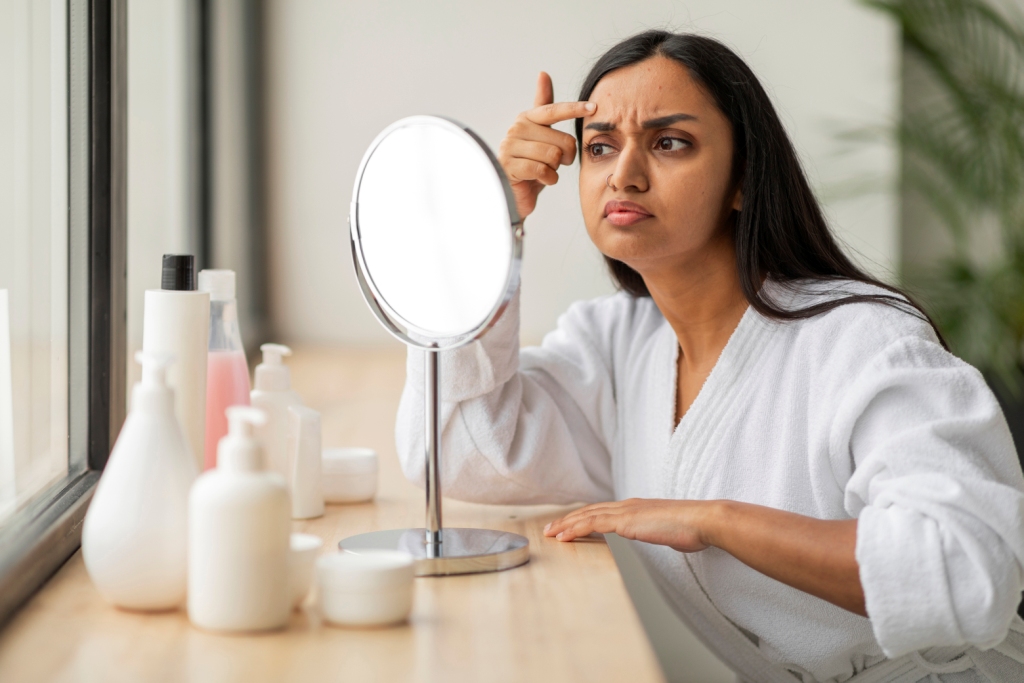
Skin purging is one of the most confusing—and often frustrating—skin reactions people experience when starting new skincare products. Many mistake it for a breakout or assume the product isn’t working, but in reality, purging can be a normal and positive part of the skin renewal process. Here’s everything you need to know.

What Is Skin Purging?
Skin purging is a temporary response that occurs when the skin begins to shed dead cells faster than usual. This often happens after introducing active skincare ingredients that boost cell turnover. As a result, underlying clogged pores rise to the surface quickly, appearing as small bumps, whiteheads, or mild breakouts—especially in areas where you typically get acne. While it may look alarming, purging is usually a sign that your skincare is doing its job.
What Causes Skin Purging?
Purging is commonly triggered by ingredients that accelerate skin renewal. These include retinoids, AHAs, BHAs, vitamin C, niacinamide, and chemical exfoliants. When these activities speed up the turnover cycle, they push out pre-existing congestion, leading to temporary flare-ups before improvements begin to show.
How Long Does Skin Purging Last?
Typically, purging lasts 4 to 6 weeks. This is the time your skin needs to adjust to the new active ingredient. If the reaction continues beyond six weeks or becomes increasingly severe, it may not be purging—it could be irritation, sensitivity, or an allergic response.
Is Skin Purging a Good Thing?
Surprisingly, yes. Skin purging is often an indication that the treatment is effectively working beneath the surface. Once the purging phase subsides, most people notice clearer pores, smoother texture, and improved overall complexion. The key is that purging should remain manageable and not lead to painful inflammation.
How to Tell If It’s Purging or a Breakout
Distinguishing purging from regular breakouts can be tricky, but these signs help:
- Location: Purging appears in areas where you usually break out; random new zones suggest irritation.
- Timing: It begins soon after starting a new active ingredient and improves within 4–6 weeks.
- Appearance: Purging includes small, uniform bumps or whiteheads—not deep, painful cysts.
- Type of Product: If the product increases cell turnover, purging is likely. If not, it’s probably a reaction or breakout.
How to Treat Skin Purging
Managing purging requires patience and gentle care:
- Continue the active ingredient unless your skin becomes severely irritated.
- Reduce frequency—use activities 2–3 times a week instead of daily.
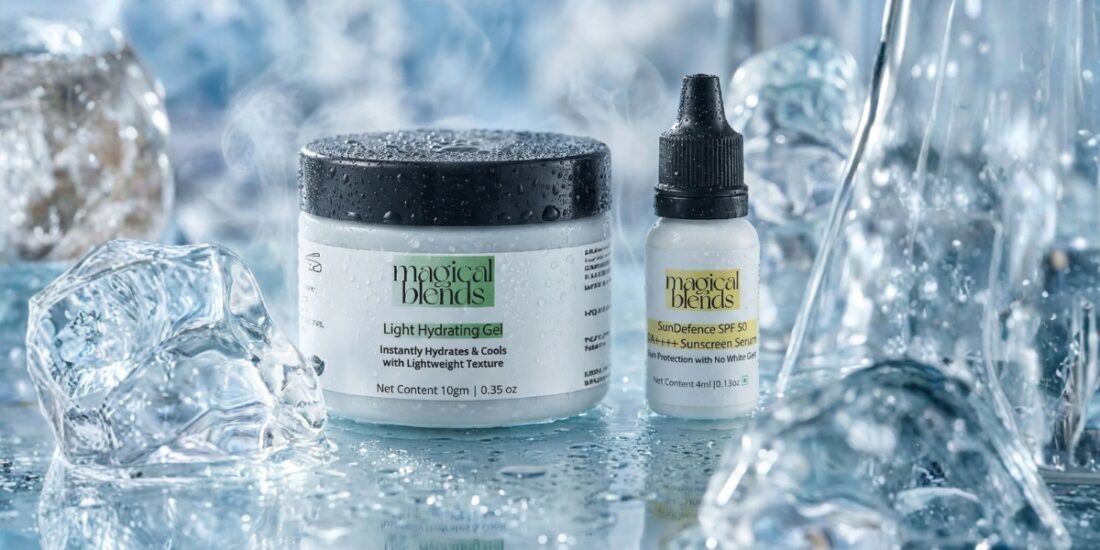
- Strengthen your skin barrier with a gentle, non-comedogenic moisturizer.
- Use a mild, fragrance-free cleanser and avoid physical scrubs.
- Apply sunscreen daily, as purging can increase sensitivity.
- Introduce new activities slowly using a “low and slow” approach.
If your breakouts become painful, extremely red, or persist beyond six weeks, consult a dermatologist to rule out irritation or unsuitable products.

Shared by : Dr. Shefali Mahlawat,
Department of Dermatology, NIIMS Medical College & Hospital