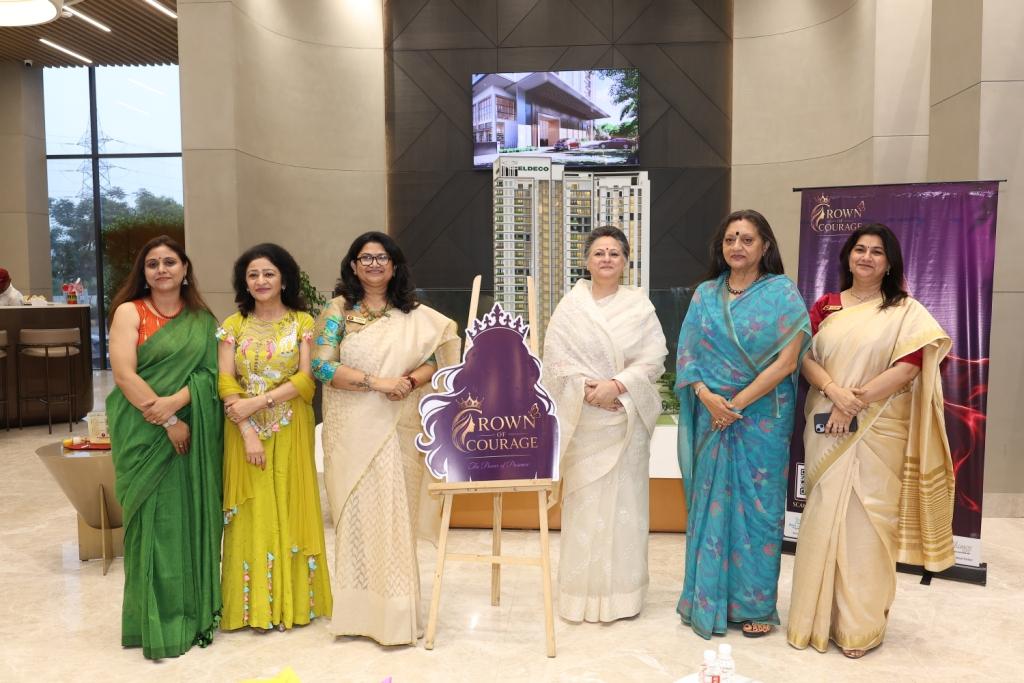
India, a land of rich history and vibrant culture, faces a paradox when it comes to women in the workforce. While the nation boasts a growing female entrepreneurial ecosystem, deeply ingrained gender biases often act as roadblocks on their journeys to success. Primarily due to societal perceptions that confine them to domestic roles. However, the tide is turning as women break free from traditional constraints, armed with resilience and determination.

The Invisible Barrier: Gender Bias in Action
Women in India frequently confront biases that stem from traditional gender roles, where they are primarily viewed as homemakers rather than business leaders. This stereotype often leads to scepticism regarding their entrepreneurial abilities and limits their access to resources and opportunities. The pervasive belief that women lack the acumen or drive to succeed in business creates a significant barrier for aspiring female entrepreneurs.
Breaking the Chains of the Past: A Historical Perspective

Historically, the Indian business landscape was largely inaccessible to women. While exceptions existed, like Rani Lakshmi Bai, a 19th-century queen known for her bravery and leadership, societal norms limited women’s participation in public spheres, including business. However, the late 20th century saw a gradual shift. Women like Indira Gandhi, the first female Prime Minister of India, and Kiran Mazumdar-Shaw, the founder of Biocon, became inspirational figures, paving the way for future generations to break free from traditional constraints.
Perception of Women’s Ideas:
Women entrepreneurs often face scrutiny and doubt regarding the viability of their ideas. Their innovative solutions and unique perspectives are sometimes undervalued or dismissed due to preconceived notions about gender roles. This lack of recognition not only hampers individual growth but also stifles innovation and diversity in the entrepreneurial ecosystem.
Addressing Gender Disparities:
To create a more inclusive and equitable business culture, society must actively work towards dismantling gender biases. This involves promoting equal opportunities for women in education, finance, and leadership roles. Encouraging mentorship programs, providing access to funding, and fostering a supportive network for female entrepreneurs are crucial steps in levelling the playing field.

Conclusion:
Empowering women entrepreneurs requires a concerted effort to challenge existing stereotypes, provide equal opportunities, and foster a culture of inclusivity. By recognizing and addressing gender biases, we can unlock the full potential of women in business and drive innovation and economic growth. It is time to embrace diversity and create a more equitable environment where all aspiring entrepreneurs can thrive regardless of gender.

Shared by: Jaya Bhura,
Co-founder and Director of Chakraview Solutions