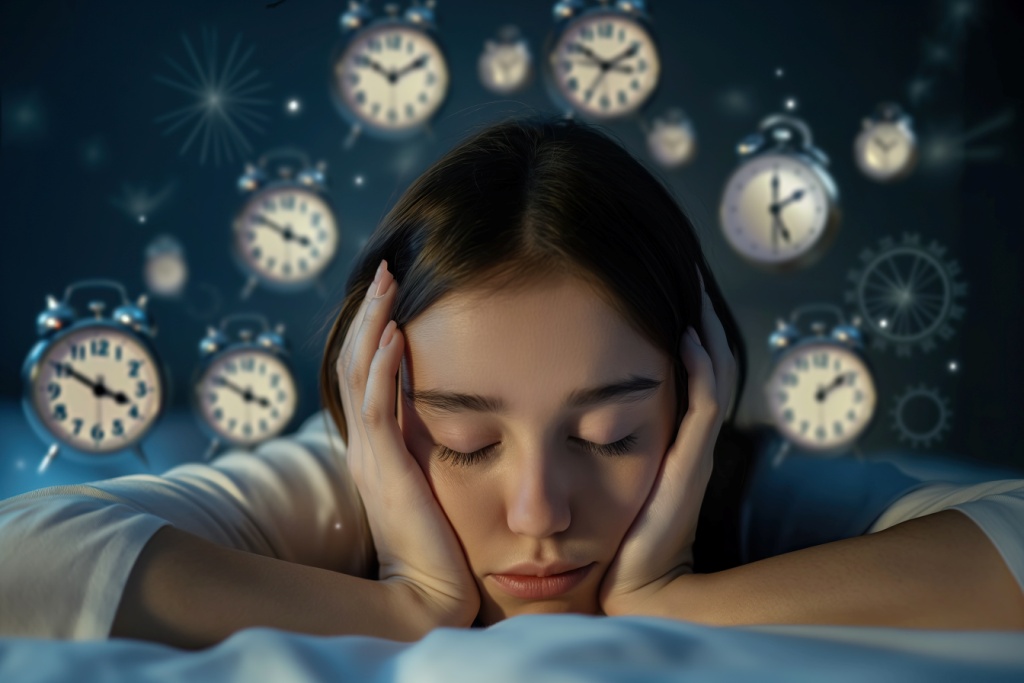
Many women have a variety of physical, mental, and behavioral symptoms in the days preceding their periods due to a common disease known as premenstrual syndrome (PMS). Disruption in sleep is a symptom that is commonly encountered but is less talked about than mood swings, bloating, and irritability. Many women experience problems getting to sleep or staying asleep, which frequently results in insomnia in the days preceding the start of their menstruation. However, why does PMS affect sleep quality so much?

The Relationship Between Hormones
However, progesterone levels sharply decline in the days preceding menstruation. The body’s normal sleep-wake cycle may be disturbed by this hormonal dip, making it harder to fall asleep. Furthermore, there is a drop in estrogen, which affects the synthesis of serotonin, a neurotransmitter that regulates mood and sleep. Women may have mood and sleep pattern changes as serotonin levels fall, which makes it more difficult to unwind and obtain a good night’s sleep.
Additional Factors Impacting Sleep During PMS
Aside from changes in hormones, inadequate sleep can also be caused by other symptoms associated with PMS. Having physical discomforts like headaches, bloating, or pain in the breasts might make it hard to find a comfortable sleeping position. Racing thoughts that keep you from getting a good night’s sleep might also be a result of mood swings, such as worry and irritation.


Tips for Better Sleep During PMS
Although there will always be hormonal fluctuations, there are strategies to lessen how disruptive PMS is to sleep.
Here are some pointers:
*Keep a regular sleep schedule: Maintaining a regular sleep and wake time each day can assist in balancing your body’s internal clock.
*Limit your consumption of sugar and caffeine: Both can exacerbate anxiety and cause sleep disturbances.
*Use relaxation techniques to relax your body and mind before bed. Some examples include deep breathing, meditation, and gentle stretching. *Remain active: Frequent exercise can elevate mood and enhance the quality of sleep.
*Establish a cozy sleeping space: Don’t use screens right before bed; instead, use soft lighting and cozy bedding.
In conclusion, because of its hormonal swings and physical discomfort, PMS can significantly affect sleep. But even at that time of the month, women can manage insomnia and have more restful evenings by adopting sleep-friendly habits and gaining a better understanding of how the menstrual cycle impacts sleep.
-Team WS