
During pregnancy and after the birth of a child, women are at a higher risk of experiencing mental health problems. This can also possibly be the period when a range of mental health conditions that a woman may have previously experienced can return or worsen.
Pregnancy is often a very happy and exciting time. But not every woman feels this way as there are number of factors that influences a pregnant woman’s feelings. These include physical symptoms (e.g., morning sickness), lack of (no) social support and stressful events in life. The pain these conditions cause women, and their negative impact on health and wellbeing are significant.

Women often worry about how they will cope with pregnancy or having a baby. It’s normal to feel stressed or anxious at times. When a woman is pregnant, it is common to worry about:
• The changes in your role (becoming a mother, stopping work).
• The changes in your relationships.
• Whether you will be a good parent.
• Fear that there will be problems with the pregnancy or the baby.
• Physical health problems and pregnancy complications.
• Fear of childbirth.
• Lack of support and being alone.
As many as 1 in 5 women have mental health problems in pregnancy or after birth. It can happen to anyone. Depression and anxiety are the most common mental health problems in pregnancy. These affect about 10 to 15 out of every 100 pregnant women. Just like at other times in life, one can have many different types of mental illness and the severity can vary. For instance, you may have anxious or negative thoughts about your pregnancy or your baby. You may find changes in your weight and shape difficult, broken sleep and lack of energy are common in pregnancy. Mental illness, during or after pregnancy, can have serious negative consequences for the mother, infant, family, and wider community. These consequences can have an impact that lasts across generations.
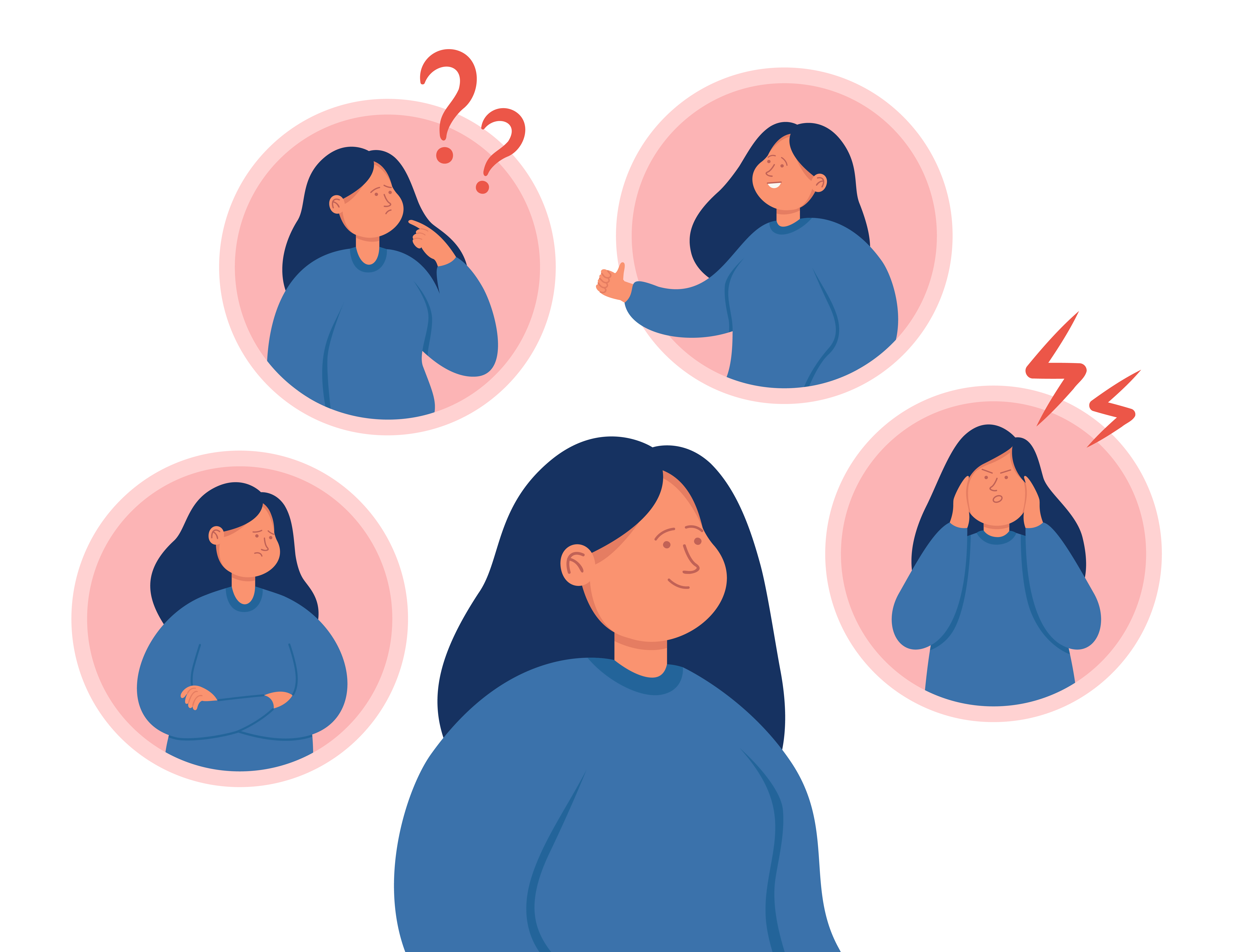
It is much important to treat mental health problems during pregnancy as it is for physical health problems. The best treatment for you will depend on your illness and its severity. Both psychological therapies (talking treatments) and medication can help.
Shared by : Dr. Ashna Gupta
Author’s Bio :
Dr. Ashna Gupta, is the Senior Psychologist, MediBuddy Health