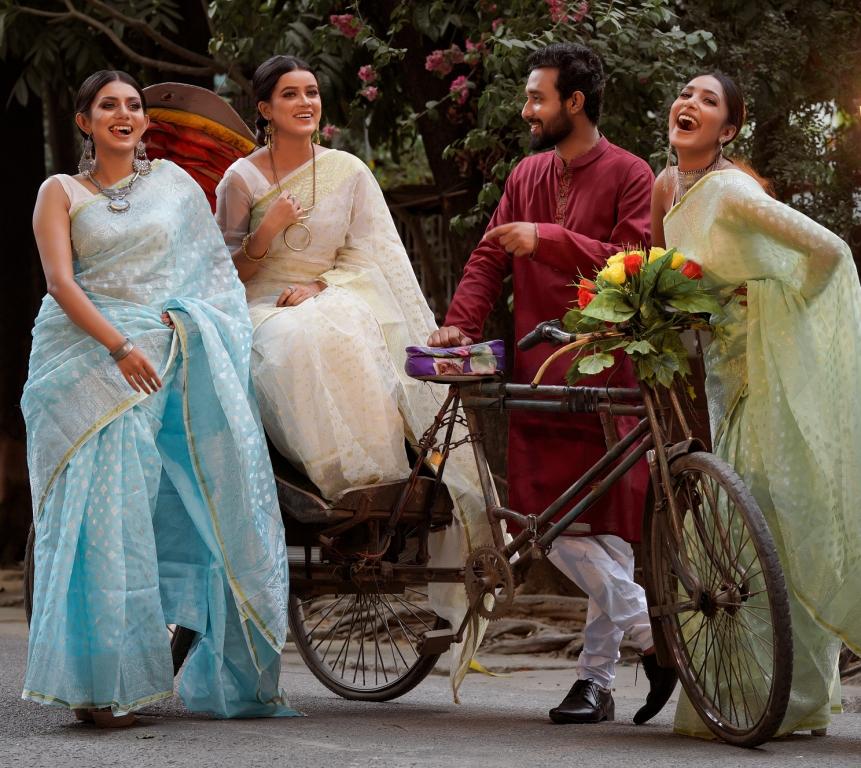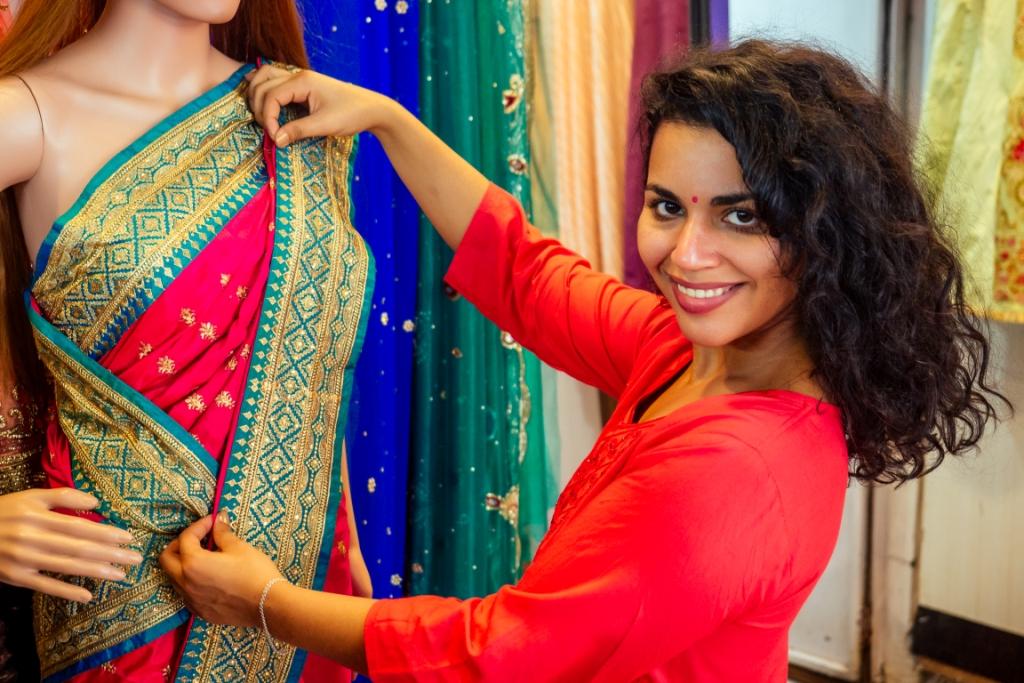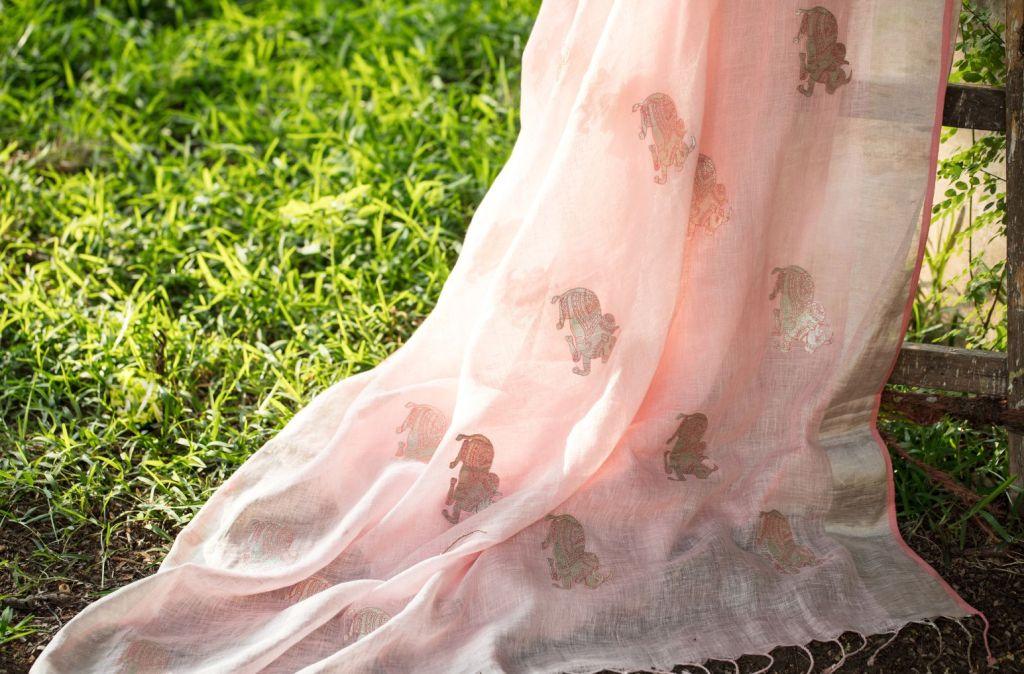
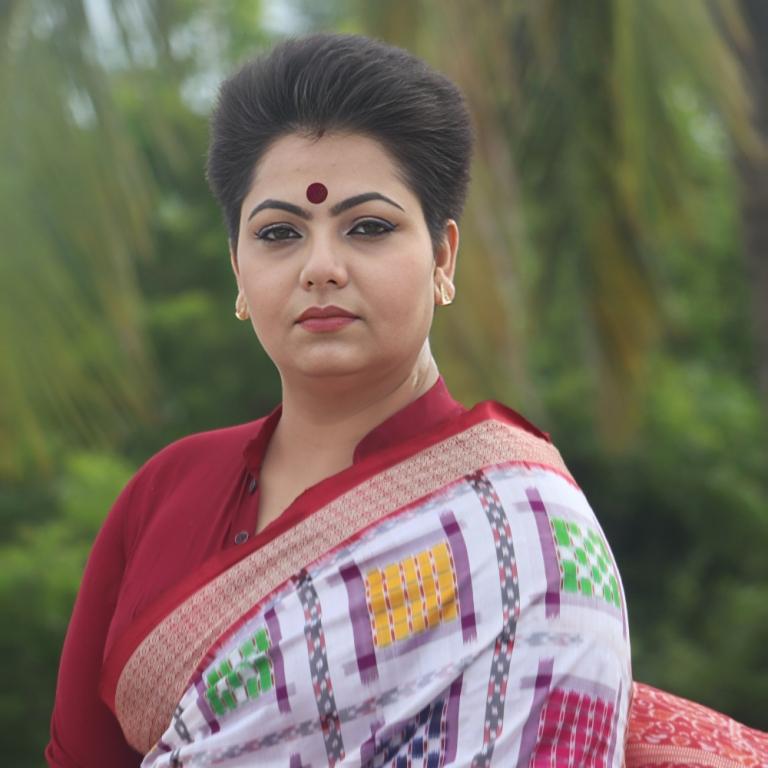
I firmly believe the saree is neither a ceremonial attire nor just a relic from the past. It’s “The” garment of the future. It can be cool, it can be comfortable, it can be chic. To me, saree represents purity, sanctity, strength, independence and confidence along with a strong cultural significance. It carries with it a sense of identity, pride and most important individuality.
Historians trace the beginning of the sari to approximately 1500 BC and later. The manner of wearing a sari in those days varied among classes and occupations, and from region to region. Women of the higher classes wore two garments, one for the upper body, and another for the lower. Some would wear a bodice, breast-band, or shawl to cover the upper body.

When worn separately, the lower garment was either wrapped as a full skirt and held at the waist with a girdle, or wrapped with pleats at the back. Women of the lower class and courtesans appear to have been bare-breasted. In ancient India, the saree was essentially a functional garment. Tribal women wore it tied high up to their knees so that it would not get stuck in the shrubs while they were out collecting firewood. Fisherwomen in coastal India wore it like a pair of shorts to allow them easy movement in the water.
The saree forges a strong link between the lives of women across the country, be they leaders, activists, and professionals, or homemakers, mothers, students, and labourers. It’s not just a piece of clothing, but a cultural symbol that reflects Bharat’s rich history, diversity and tradition.
However, as the garment lost its functional element and shifted towards pure aesthetics, it lost its appeal among young women, who instead opted for easier garments like pants and skirts or other Western clothes.
The purpose of this blog is not to feed consumerism. The goal is not to create clones of myself or to dress everyone as mannequins with the latest trends like window dressing. The goal is to inspire, to make people take pride in our ancient clothing, and repeating sarees, to spark creativity in repurposing what they already own, to buy things that add value to your closet and to cultivate style versus hoarding.
Clothing may be a basic need for human beings, but amid a fast fashion culture, the industry has come to display serious consequences for the population and the planet. And to most of the problems, the solution is ‘sustainability’.
Sarees fit the trend perfectly. So, what makes you wait?
Written By : Anushree Dash