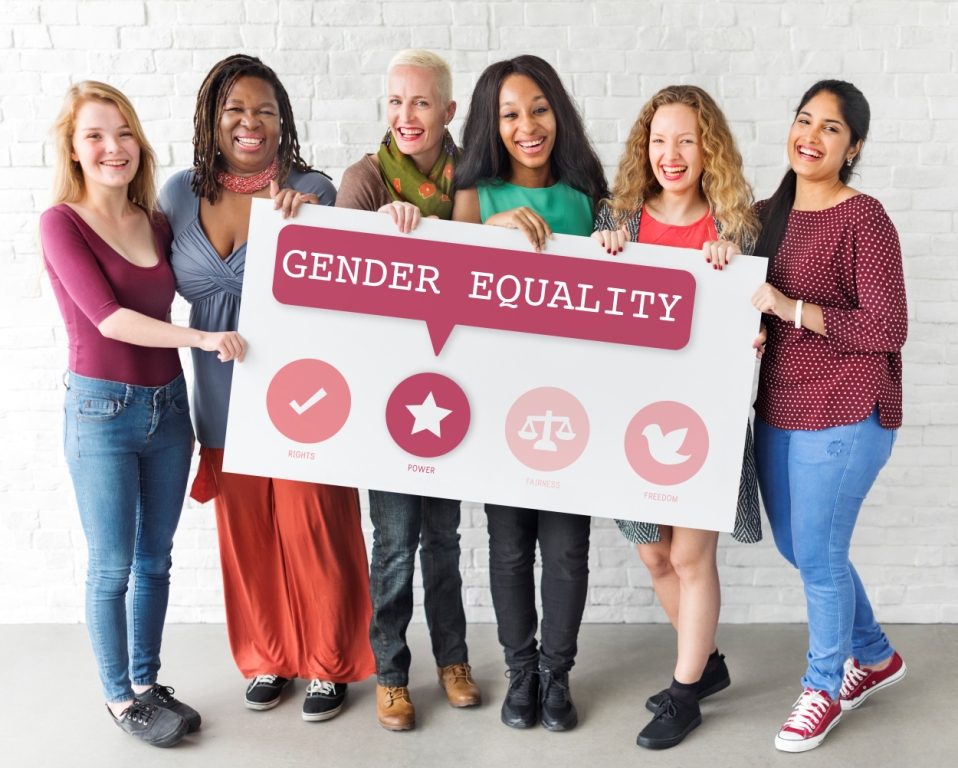

Higher education stands at a pivotal moment. The conventional and often inflexible frameworks of campus leadership and decision-making are facing significant challenges, not from outside influences, but from a formidable internal force: women students. They are not just asking for a place at the table; they are transforming the table itself, heralding a new age of leadership characterized by collaboration, emotional intelligence, resilience, and advocacy. This shift in campus governance is crucial for developing genuinely inclusive, effective, and future-ready institutions.
The New Calculus of Leadership
For many years, leadership in higher education was closely associated with a transactional and hierarchical approach. The challenges we face today, including mental health issues, social justice initiatives, digital transformation, and globalization, demand a more advanced leadership style. Female students are setting a new standard. Their leadership often combines vital skills that are overlooked in traditional settings. A key part of this is a high level of emotional intelligence (EQ), which fosters greater understanding and empathy in tackling issues, along with a dedication to resilience that turns challenges into opportunities for growth. By focusing on overall well-being and community-centered approaches, female students are shifting campus leadership from mere administration to true stewardship. They show that effective governance involves creating supportive environments as much as making strategic decisions.
Redefining Decision-Making Spaces
The progression of leadership is closely linked to the evolving nature of decision-making. Female students are courageously challenging the idea that power is confined to official titles and committee positions. They are establishing and shaping informal networks, student organizations, and advocacy groups that have a substantial effect on campus policies and culture. A significant trend we are observing is the adoption of a transformational leadership model. This model emphasizes the importance of motivating followers, inspiring change, and striving for common goals, often questioning traditional norms to promote equity and systemic reform. For example, they are pushing for changes to the curriculum, improved mental health services, and more stringent anti-harassment policies. This movement calls on administrators to focus and take significant action. Their influence is characterized by a strong dedication to social responsibility and intersectional justice. This commitment ensures that policy conversations include the perspectives of marginalized groups within the student body. Also, their involvement is both innovative and strategic as they utilize digital resources and creative organizing methods to build consensus. This approach transforms grassroots efforts into substantial institutional demands, thereby holding campus leaders accountable and promoting greater responsiveness.
The Need for Institutional Support
To facilitate this change, higher education institutions need to go beyond merely recognizing these contributions. The time has finally come to actively adopt this new leadership perspective. Assisting women students on their leadership path requires a dedicated effort to embed crucial developmental skills into the curriculum. Curricula need to be redesigned to formally incorporate training in emotional intelligence, conflict resolution, strategic communication, and advocacy skills. Moreover, institutions must address challenges like gender bias, restricted networking opportunities, and the “double bind” dilemma, where female leaders frequently encounter criticism for exhibiting the same assertiveness that is praised in their male peers. Mentorship initiatives, especially those connecting female students with successful women leaders in academia and industry, play a crucial role in providing the necessary guidance and social capital to maneuver through intricate organizational landscapes.
A Vision for Tomorrow
The current cohort of female students is establishing a framework for a more equitable, empathetic, and ultimately more effective method of campus governance. Their collective effort is not only about achieving gender equality; it seeks to fundamentally transform the culture of power. By exhibiting leadership that is inclusive, nurturing, and committed to justice, they are teaching organizations that true leadership lies in empowering others and supporting one another. As these young women transition from student government and campus activism to their careers, they will take this new vision with them. To ensure the success of higher education, it needs to accept this shift in power, empowering women students to take the lead in shaping the institutions of the future.
Shared by : Col. Dr. Rashmi Mittal,

Pro-Chancellor of LPU