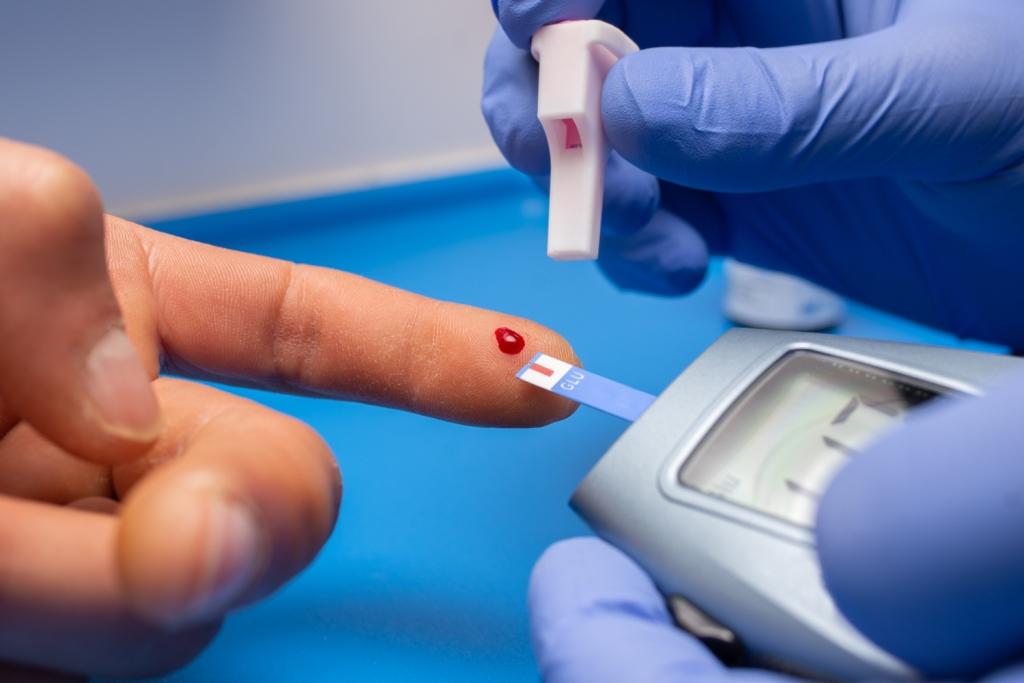

I was five years old when I was diagnosed with Type 1 Diabetes. I don’t remember understanding the science behind it, but I remember sensing that something had changed. My days would now revolve around listening to my body, to routines, to quiet signals others might miss. Even then, I learned that care is not something you apply once; it’s something you practice every day.
What protected me most was not fear, but awareness. The adults around me noticed the signs early. They stayed calm, asked questions, and sought answers before things become urgent. That early understanding shaped my relationship with diabetes not as something overwhelming, but as something manageable.
Type 1 Diabetes does not arrive loudly. It often slips in quietly constant thirst, fatigue that doesn’t make sense, unexplained weight loss, frequent trips to the bathroom. In children, these signs are easy to overlook. In girls and women, they are even more likely to be dismissed or misread as stress, hormones, or lifestyle changes. Too often, the real problem is not lack of treatment, but lack of timely awareness.
When diagnosis comes late, it brings fear with it. Families encounter the condition for the first time in moments of crisis. Panic replaces preparation. Decisions are made in confusion rather than clarity. I have seen this happen across communities, where misinformation and stigma delay care that could have begun much earlier.
Early awareness changes everything. It gives families space to breathe. It allows conversations instead of chaos. It helps people understand that while Type 1 Diabetes is lifelong, it is also livable.
For children, early diagnosis means they grow up without secrecy or shame. They learn to manage their health as part of everyday life, not as something to hide. It becomes routine, not a rupture.
For women and girls, awareness carries even greater weight. A diagnosis is often followed by unspoken questions: Will this limit her future? Her independence? Her choices? These fears are not medical; they are social. They come from misunderstanding, not science.

Type 1 Diabetes is not caused by food, habits, or personal failure. It does not reduce a person’s intelligence, capability, or potential. And yet, silence around women’s health allows these myths to persist, quietly shaping lives.
Living with Type 1 Diabetes is not about restriction. It is about rhythm. Over time, you learn how to plan, how to pause, how to respect your body’s boundaries. This does not make life smaller, it makes it more intentional. You become more attentive, more aware, more present.
Through my work with The Friends of Mewar Foundation, I have seen how awareness becomes the first form of care, especially in underserved communities. Many families are not lacking courage or concern, they are lacking information. Symptoms go unrecognised. Girls remain undiagnosed longer. Fear fills the space where knowledge should be.
But when awareness enters, things shift. Parents seek help sooner. Conversations replace whispers. Care begins not just in hospitals, but in homes, schools, and communities.
This is where healthcare moves beyond buildings and into daily life. Awareness is not created only through campaigns. It grows through listening, trust, and shared stories. When people understand symptoms early and feel supported rather than judged, care becomes proactive instead of reactive.
It is also important to speak about chronic illness without turning it into a story of heroism or pity. Living with Type 1 Diabetes does not make someone extraordinary. It makes them attentive. It teaches patience, responsibility, and respect for the body’s limits. These are quiet strengths, but they are real.
Access, however, remains uneven. Insulin, education, early diagnosis, and consistent care are still not available to everyone. In many places, outcomes are shaped more by delayed awareness than by the condition itself. Addressing this gap requires openness, sustained dialogue, and community-based understanding.
I believe awareness saves lives not because it removes diagnosis, but because it changes how we live with it. When we talk openly, correct misinformation, and recognise signs early, we replace fear with confidence.
To parents, teachers, and caregivers: trust your instincts. Ask questions early. Small signs matter.
To those living with Type 1 Diabetes: your life is not limited by this condition. You are not broken. You are simply managing something additional and doing so with strength.
And to all of us: let us speak more, not less. Because early awareness is not just medical it is humane. It is the difference between fear and understanding, silence and support, uncertainty and care.
Shared By: Padmaja Kumari Parmar