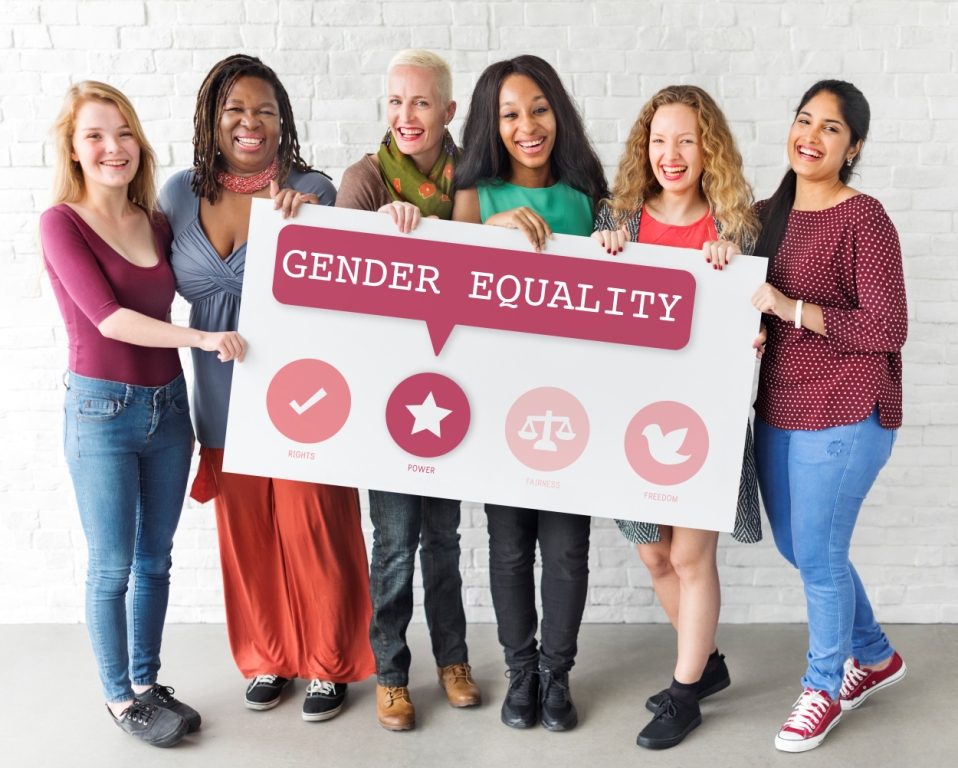
“There is no limit to what we, as women, can accomplish.” — Michelle Obama
Yet across industries, accomplishment does not always translate into authority.
The creative industry has long been recognised as a space that celebrates originality, bold expression, and diverse thinking. It prides itself on challenging norms and shaping culture. Over the years, it has made visible progress in welcoming more women into its workforce. Today, women are not only present but are actively shaping brand narratives, leading client relationships, and driving impactful campaigns. Their contribution is significant, their work is visible, and their influence is undeniable.
However, while participation has advanced meaningfully, leadership representation tells a more measured story. The journey from contributor to decision-maker remains uneven, revealing a gap that the industry can no longer afford to overlook.
There remains a noticeable gap between the number of women contributing to creative industries and those occupying positions of authority, where strategic decisions are made and the future direction of organisations is defined. This gap is not always intentional, but it reflects structural realities that must be acknowledged and addressed.
From my own experience of building an organisation, I have come to understand that leadership is not only about capability-it is also about access, trust, and opportunity. Women often demonstrate consistent performance, reliability, and creative excellence. Yet, the transition from contributor to decision-maker is not always equally accessible. Leadership requires not just competence, but the opportunity to exercise ownership, influence outcomes, and be part of critical conversations.

One of the key challenges lies in how leadership pathways are formed. In many creative environments, growth into leadership roles happens organically, through visibility and sponsorship rather than clearly defined frameworks. While women are present and performing, they may not always receive the same level of advocacy or exposure that accelerates leadership progression.
There is also a broader cultural dimension. Women have traditionally been encouraged to focus on stability, responsibility, and consistency-qualities that are invaluable to any organisation. However, leadership also demands visibility, confidence, and the willingness to take strategic risks. Creating an environment where women feel encouraged and supported to step into these roles is essential for balanced leadership development.
Representation plays a powerful role in shaping aspiration. When women see other women leading organisations, managing business outcomes, and influencing strategy, it reinforces the belief that leadership is attainable.
As a woman leader, I firmly believe that leadership must be grounded in merit, accountability, and trust. Throughout my journey, I have consciously worked to create an environment where women are not only represented within the workforce but are also empowered to lead key client mandates, assume ownership of business outcomes, and evolve into positions of meaningful influence.
Having said that, bridging the gender gap in leadership requires collective responsibility. Organisations must build structured pathways for leadership development through mentorship, transparent growth frameworks, and equal access to high-impact opportunities.
As the creative industry continues to evolve, inclusive leadership will play a defining role in shaping its future. Diverse leadership brings broader perspectives, fosters innovation, and strengthens organisational culture.
True progress in gender equity goes beyond symbolic inclusion; it demands meaningful empowerment. It requires creating pathways for women to move beyond participation and ensuring they are equally represented in positions where key decisions are taken and the future of organisations is shaped.Because true progress will not be measured only by how many women enter the industry, but by how many are empowered to lead it.
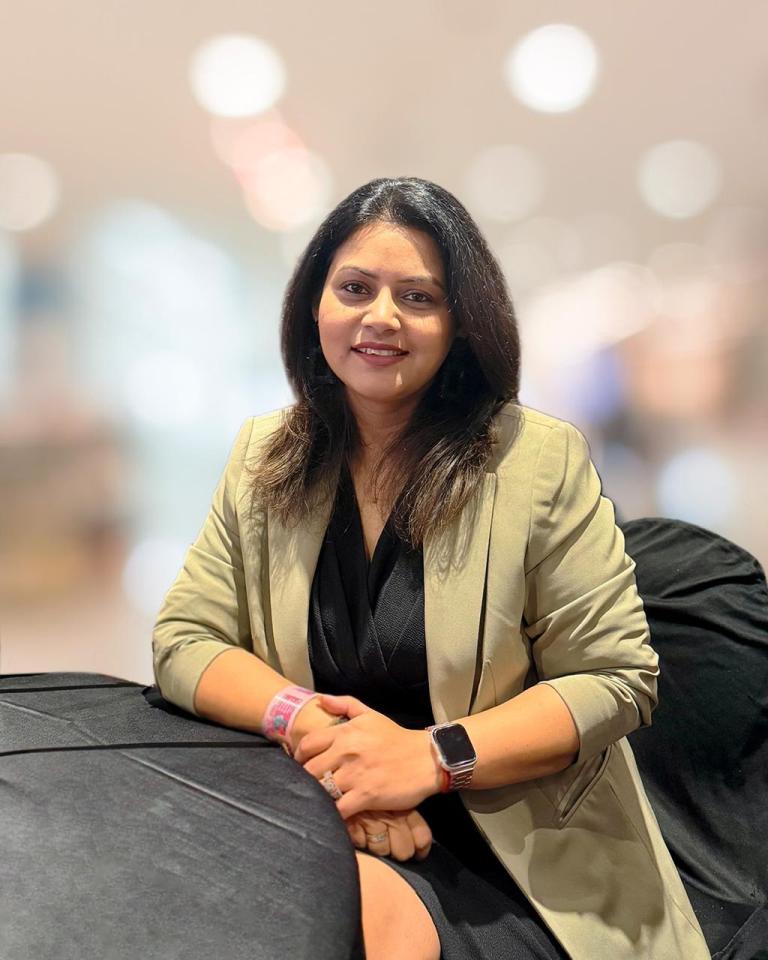
Shared by : Shruti Mishra,
Founder & CEO, IImage Stereo Marcom